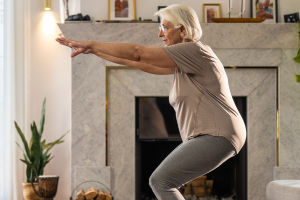
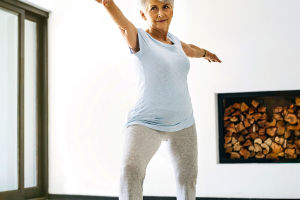
Have you ever noticed how some older adults seem full of energy, moving with ease and confidence? It's not just genetics—it's often the result of consistent physical activity.
Exercise does far more than shape your body; it actively slows the aging process, helping muscles, joints, and even the brain stay healthier for longer. Understanding how movement impacts aging can motivate anyone to keep moving, no matter their age.
Exercise and Cellular Health
One of the most profound ways exercise slows aging is at the cellular level. Every time you move, your body triggers processes that repair damage and boost longevity.
1. Reduces oxidative stress: Physical activity helps neutralize harmful molecules that accelerate aging.
2. Supports cellular repair: Exercise activates enzymes that repair DNA and protect cells from damage.
3. Maintains mitochondrial function: Your “energy factories” stay stronger, producing more energy for daily tasks.
Even moderate exercises like walking or cycling can trigger these cellular benefits, making regular movement a cornerstone of healthy aging.
Strength Training Preserves Muscle
As we age, muscle mass naturally declines—a process called sarcopenia. Losing muscle affects balance, mobility, and metabolism, but strength training can slow or even reverse this decline.
1. Lifting weights or using resistance bands maintains and builds muscle fibers.
2. Stronger muscles improve balance and reduce the risk of falls.
3. Resistance exercises help maintain skeletal density, lowering fracture risk.
Just two to three short sessions per week can make a noticeable difference in strength and everyday function.
Cardio Boosts Heart and Brain Health
Dr. Barry Franklin, PhD, an exercise physiologist and former director of preventive cardiology and cardiac rehabilitation at Beaumont Health, has extensively explained how aerobic exercise benefits multiple body systems. He has stated in interviews and academic commentary that regular aerobic activity improves cardiovascular efficiency, lung capacity, and cerebral blood flow, which supports brain function.
1. Cardio increases oxygen flow to tissues, improving endurance and energy.
2. It strengthens the heart and stabilizes blood pressure, reducing cardiovascular risks.
3. Brain function improves through increased blood flow, boosting memory and cognitive resilience.
Even 30 minutes a day of moderate activity can help maintain cardiovascular and cognitive health well into later years.
Flexibility and Balance Exercises
Flexibility and balance are often overlooked but are essential for aging gracefully. Activities like stretching, tai chi, or gentle Pilates keep the body agile and prevent injury.
1. Stretching improves range of motion, making daily movements easier.
2. Balance exercises reduce the likelihood of falls—a major concern for older adults.
3. Mind–body practices also reduce stress, enhancing overall well-being.
Incorporating these exercises helps maintain independence and confidence in everyday life.
Mental Benefits of Staying Active
Exercise isn't just about the body; it plays a crucial role in mental health.
1. Movement releases endorphins, lifting mood and reducing anxiety.
2. Physical activity can improve sleep quality, which naturally declines with age.
3. Engaging in regular exercise fosters social connections, whether in classes or walking groups.
Staying active keeps the mind sharp, supports emotional health, and strengthens resilience against age-related cognitive decline.
Practical Tips to Stay Active
Adopting a sustainable exercise routine is key to reaping long-term benefits.
1. Mix it up: Combine cardio, strength, and flexibility exercises for balanced fitness.
2. Start small: Even 10-minute sessions count; gradually increase duration and intensity.
3. Listen to your body: Modify activities to avoid pain or discomfort.
4. Make it enjoyable: Choose activities you love, from dancing to swimming, to stay motivated.
Consistency, more than intensity, is what truly slows the aging process.
Turning Exercise into a Lifestyle
The most effective approach to healthy aging is making movement a daily habit. Whether it's a morning walk, an evening bike ride, or stretching after work, small but consistent efforts add up. Surrounding yourself with supportive friends or joining group classes can make exercise more enjoyable and sustainable.
Final Thoughts
Aging doesn't have to mean slowing down. Regular exercise—whether strength training, cardio, or flexibility routines—keeps your body and mind resilient. By understanding how movement directly combats aging processes, anyone can take proactive steps toward a healthier, more energetic life. The secret is simple: keep moving, stay consistent, and enjoy the journey.