Have you ever watched an older friend reach for something on a high shelf and wobble just slightly? That tiny moment reveals something important: balance and flexibility are more than just fitness goals—they're key to independence and quality of life as we age.
Many seniors underestimate their importance, focusing on strength or cardio, but neglecting balance and flexibility can increase the risk of falls and limit mobility.
Why Balance Is Crucial?
Balance is your body's ability to maintain stability, whether standing still or moving. For seniors, strong balance reduces the risk of falls, which are a leading cause of injury. Improving balance doesn't require complicated equipment. Simple exercises, like standing on one leg while brushing your teeth or walking heel-to-toe along a hallway, train the body to react quickly to shifts in weight.
1. Daily Practice: Incorporating small balance exercises into everyday activities is often more effective than occasional gym sessions. For instance, shifting weight from one leg to another while washing dishes strengthens stabilizing muscles.
2. Dynamic Movements: Practicing movements that mimic real-life scenarios, such as stepping over small obstacles or reaching for objects while maintaining posture, helps the body adapt to sudden changes.
3. Mind-Body Connection: Balance exercises also engage the nervous system, improving coordination and spatial awareness, which are essential for avoiding accidents.
The Power of Flexibility
According to Dr. Carol Ewing Garber of the American College of Sports Medicine, flexibility is not about extreme stretching but about preserving healthy joint range of motion. She explains that stiff joints can disrupt natural movement patterns, increasing the risk of imbalance and falls. Regular stretching and gentle mobility exercises help keep muscles relaxed and joints functional—particularly in areas like the hips, shoulders, and spine that are critical for daily movement.
1. Gentle Stretching: Daily stretches, even 5-10 minutes, can improve mobility. Focus on major joints and hold stretches for 20-30 seconds.
2. Movement Variety: Activities like Pilates, tai chi, or low-impact dance help lengthen muscles while strengthening them, providing both flexibility and balance benefits simultaneously.
3. Posture Benefits: Flexible muscles support better posture, which reduces strain on joints and improves overall movement efficiency.
Combining Balance and Flexibility
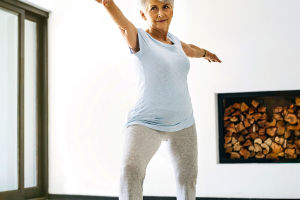
The real magic happens when balance and flexibility are trained together. For example, standing stretching poses, chair-based stretches, and tai chi sequences challenge the body's stability while lengthening muscles. This combination improves muscle coordination, enhances reaction time, and supports daily tasks, from bending to tie shoes to navigating stairs safely.
1. Functional Strength: Combining these elements strengthens stabilizer muscles that protect joints and prevent injuries.
2. Confidence Boost: Knowing you can move without fear encourages seniors to stay active, creating a positive feedback loop for health.
3. Cognitive Benefits: Many balance-focused exercises require concentration, which can help maintain mental sharpness and attention.
Practical Tips for Seniors
• Consistency over Intensity: Short, daily sessions are more effective than long, sporadic workouts.
• Use Support When Needed: A wall, chair, or rail can help build confidence without risking falls.
• Track Progress: Note improvements in stability or range of motion; seeing results motivates continued effort.
• Mix Activities: Balance and flexibility exercises should complement, not replace, cardiovascular and resistance training.
Simple Exercises to Start Today
1. Heel-to-Toe Walk: Walk in a straight line placing one foot directly in front of the other.
2. Single-Leg Stand: Hold each leg up for 10-20 seconds while maintaining posture.
3. Seated Twists: Sit upright and gently rotate the torso to stretch spine and core.
4. Side Leg Raises: Hold a chair for support and lift each leg sideways to improve hip stability.
5. Calf Raises: Stand tall and lift onto toes, then lower slowly to strengthen ankles and calves.
Takeaway
Balance and flexibility are often overlooked, but they are essential pillars of senior health. Simple, consistent exercises can protect against falls, improve posture, maintain mobility, and even support cognitive function. The best part is these exercises are accessible—no expensive gym membership or complicated equipment required. Just a few minutes each day can transform daily life, making simple movements safer and more comfortable.
Remember, maintaining agility isn't just about physical strength; it's about preserving independence, confidence, and the freedom to move through life with ease. Start today, even with small steps, and your body—and mind—will thank you.