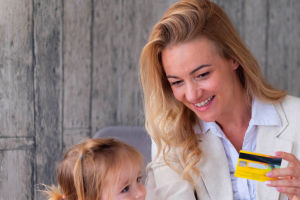
Financial habits rarely appear suddenly in adulthood. They are built little by little through routine, conversation, and example. Children can start learning how to handle money before they have to manage it on their own.
Families can give children room to make small decisions and see what follows. The lessons can grow with the child, from handling money for the first time to planning how to use it when more responsibilities come along.
Saving for a Goal
Children who learn to set aside part of what they receive begin to understand what it means to wait for something they want. That habit might start with coins in a jar. A goal, such as buying a book or a game, gives them a reason to keep adding to it.
According to Melanie Jewkes, a family and consumer sciences professor at Utah State University, parents can help children work toward a savings goal by estimating the cost together and deciding how much to set aside regularly. Children can then check their progress against the price of the item.
Needs and Wants
When children learn the difference between needs and wants, they can start to work out what to pay for first. Choosing whether to spend now or save for later lets them see a trade-off for themselves: money spent on one purchase is no longer available for another.
Earning Money
Children also benefit from understanding that money is connected to effort. If they earn a small amount by taking on an extra task or project, they can see how much work went into the money they have available to spend. That gives them something concrete to weigh when deciding what to buy.
When children think of ways to earn money for something they want, give them room to suggest a project and work out what it would involve. They can think about what they already know how to do, how much time they have, and whether they would need help.
Learning to Budget
Financial independence is not only about having an income. It is also about knowing how much is available and what it needs to cover. A family budget discussion can show older children how planning works. Start with a familiar expense so they can see how a spending limit affects the choices available.
Everyday Lessons
Grocery shopping can become a lesson in comparing prices. Ask a child to compare items on the list and explain which one they would pick. If the first choice costs more, talk about whether the difference is worth paying for instead of treating the cheapest item as the automatic choice.
Children also learn by watching. When adults change a planned purchase to stay within a budget, they can explain why they made that choice. Advice becomes easier to follow when children see the adults around them use the same rules they are teaching.
Lessons by Age
Younger children can start by counting coins and seeing how money is exchanged for something at a checkout. Older children can take on more of the planning, such as deciding what to do when the money they have set aside is not enough for everything they want.
Borrowing and Interest
As children grow older, introduce borrowing and interest gradually. Explain that a borrower has to repay the amount borrowed and may also have to pay interest. With savings, interest can work the other way: when it is added to the balance, it can earn interest itself. That is called compound interest.
Give older children time to ask questions about what a loan costs and what happens if a payment is missed. They do not have to take out a loan to talk through those decisions. The same questions will be useful when they start weighing larger expenses, such as education or housing.
On the next family shopping trip, let the child pay for an item within an agreed limit. Afterward, use the receipt to check what they spent and how much they have left.