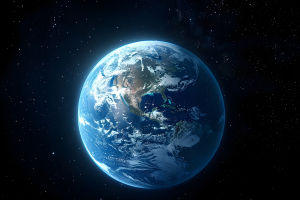
The ocean covers over 70% of the planet's surface, absorbs massive amounts of carbon, feeds billions of people, and supports ecosystems that science still doesn't fully understand.
So the fact that it's in serious trouble right now isn't some abstract environmental concern. It's a very concrete problem with consequences that are already showing up in fish populations, coral reefs, coastal livelihoods, and weather patterns.
Sea surface temperatures have hit record highs. Marine pollution is everywhere. Biodiversity loss in ocean ecosystems is accelerating. And of all the UN Sustainable Development Goals, SDG14, the one focused on conserving and sustainably using the ocean, gets the least funding. That gap between the scale of the problem and the resources going toward it says a lot about how this has been treated so far.
Plastic Is Still the Biggest Culprit
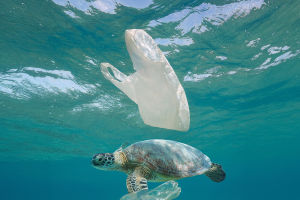
Between 8 and 10 million metric tons of plastic ends up in the ocean every single year, making up roughly 80% of all marine pollution. A global plastics treaty that would create binding rules across the entire plastic lifecycle, from production to disposal, has been in the works for years. Negotiations have repeatedly stalled, largely because oil-producing nations prefer focusing on waste management and recycling rather than cutting plastic production at the source. A coalition of over 100 countries is pushing for binding commitments to reduce primary plastic production, but that push keeps running into resistance.
Meanwhile, harmful fisheries subsidies continue to prop up overfishing. A World Trade Organization agreement targeting the worst of these subsidies needed ratification from two-thirds of its members to take effect. Getting there has been slow, with countries dragging their feet on formal acceptance.
Who Owns the High Seas?
About 61% of the ocean lies outside any national jurisdiction, meaning it has historically had very limited legal protection. A landmark High Seas Treaty, adopted in 2023 after nearly two decades of discussion, aims to fill that gap. The treaty entered into force in January 2026 after receiving the required 60 ratifications. The push to get there has been intense, with the UN Ocean Conference in Nice serving as a major diplomatic moment.
Protecting the high seas matters more than many people realize. These waters are not just open fishing grounds. They're critical for carbon absorption, biodiversity, and regulating ocean temperatures that affect weather patterns globally. Leaving 43% of the planet's surface without legal protection is a governance gap with real ecological consequences.
What's Actually Working
Some progress is happening at the community and regional level. The Nature Conservancy's Reef Resilience Network has trained over 50,000 practitioners across 8,000 members focused on protecting coral reef ecosystems. New initiatives like Blue Carbon Plus are blending conservation goals with economic incentives for coastal communities, moving beyond pure carbon credit frameworks.
Deep-sea mining remains a contentious open question. The International Seabed Authority has been working on regulations for commercial exploitation of deep-sea minerals, but many scientists are calling for a pause until the ecological risks are better understood. The debate reflects a broader tension: economic interests in ocean resources versus the unknown fragility of deep-sea ecosystems that have never been commercially disturbed.
The ocean's recovery is possible. But it requires moving faster than international negotiations typically allow.