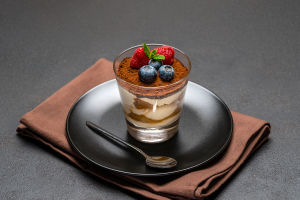
Red velvet cake has a way of standing out before anyone even takes a bite.
That deep red color, paired with a smooth, soft texture, makes it feel like something special without needing extra decoration.
It's the kind of cake that looks impressive on the table but is actually built from a very simple base once you understand the steps.
What you'll need
This recipe focuses on balance—light texture, mild cocoa flavor, and a soft crumb.
Dry ingredients:
1. All-purpose flour – 1 ¼ cups
2. Cocoa powder – 2 tablespoons
3. Sugar – 1 cup
4. Baking powder – 1 teaspoon
5. Salt – a small pinch
Wet ingredients:
1. Eggs – 2
2. Milk – 1 cup
3. Vegetable oil – ½ cup
4. Vanilla extract – 1 teaspoon
5. Vinegar – 1 teaspoon
6. Red coloring (food-grade) – small amount for color
Frosting (optional but classic):
• Cream cheese – 200g
• Powdered sugar – ½ cup
• Butter – 50g (softened)
• Vanilla extract – ½ teaspoon
Mixing the batter
Start by mixing all the dry ingredients in one bowl. Stir them well so the cocoa powder spreads evenly through the flour. This helps the flavor stay consistent in every bite.
In another bowl, combine eggs, milk, oil, vanilla extract, vinegar, and the red coloring. Mix until the liquid looks smooth and evenly tinted. The color doesn't need to be overly bright—just a steady red tone that will deepen during baking.
Slowly add the wet mixture into the dry ingredients. Stir gently until everything comes together. The batter should be smooth but not overmixed.
Baking the cake
Preheat your oven to 175°C (around 350°F). Prepare a cake pan by lightly greasing it or lining it with baking paper.
Pour the batter into the pan and tap it lightly on the counter. This helps release any trapped air bubbles so the cake bakes evenly.
Bake for about 30–35 minutes. You'll know it's ready when a toothpick inserted in the center comes out clean or with a few soft crumbs.
Let the cake cool completely before adding frosting. This step is important because warm cake can melt the topping and change the texture.
Making the frosting
Beat the softened butter and cream cheese together until smooth. Add powdered sugar gradually and mix until the texture becomes creamy. A small splash of vanilla extract adds a light aroma that balances the sweetness.
Once the cake is fully cooled, spread the frosting evenly across the top. You can also add layers if you're making a multi-layer version, but a simple single-layer coating works just as well.
Tips for better texture
When combining the wet and dry components, avoid overworking the batter; a light, gentle fold is the secret to a delicate and fluffy crumb. It is equally vital to ensure all your ingredients have reached room temperature before you begin, as this allows for a more cohesive emulsion and a superior final texture.
While you can vary the amount of red pigment to suit your aesthetic, achieving a uniform color through steady mixing is more critical than the depth of the shade itself. Ultimately, a successful red velvet cake is a study in balance rather than intricacy; by following these fundamental steps with precision, you produce a dessert that is as visually impressive as it is satisfying.