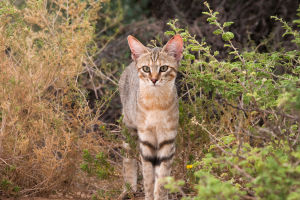
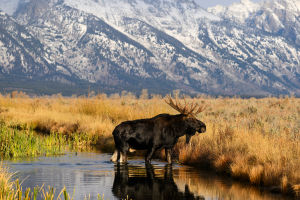
At a wildlife center, two animals from the same species can look almost identical, yet react very differently to stress or illness. One recovers quickly, the other struggles.
That contrast often traces back to something you can't see without a microscope: genetic diversity. It's easy to focus on population size alone, but numbers don't tell the full story. Without enough genetic variation, even a large population can quietly move toward decline.
Genetic Diversity Keeps Populations Flexible
Genetic diversity refers to the range of inherited traits within a population. Those differences act like options in a toolkit.
1. Adaptation power
When environments change, some traits become more useful than others. Actionable step: conservation planners should protect multiple subgroups within a species, not just one strong population.
2. Environmental tolerance
Variation helps animals cope with temperature shifts, new parasites, or altered food availability. Actionable step: monitor how different groups respond to the same environmental changes.
3. Future readiness
Today's conditions won't stay the same. Actionable step: treat genetic diversity as preparation for unknown challenges rather than a bonus feature.
Low Diversity Creates Hidden Weaknesses
A population can look healthy on the surface while carrying genetic risks underneath.
1. Inherited problems
When individuals are closely related, harmful traits are more likely to show up. Actionable step: track breeding history in managed populations to avoid pairing close relatives.
2. Lower reproductive success
Reduced diversity often leads to fewer successful births. Actionable step: evaluate genetic health alongside birth rates, not separately.
3. Greater disease impact
If most individuals share similar genes, a single illness can affect many at once. Actionable step: introduce new genetic lines when safe and scientifically supported.
Small and Isolated Groups Are Most at Risk
Isolation speeds up genetic loss, especially when movement between groups is limited.
1. Fragmented habitats
Barriers prevent animals from mixing naturally. Actionable step: support the creation of safe movement corridors between habitats.
2. Population bottlenecks
Sudden declines can erase rare traits. Actionable step: use long-term data to identify which traits may have been lost and plan recovery accordingly.
3. Limited mate choice
Fewer options reduce genetic variety over time. Actionable step: encourage natural dispersal rather than confining animals to small areas.
Why Numbers Alone Can Be Misleading
Counting individuals is important, but it doesn't guarantee long-term survival.
1. False security
A stable headcount can hide declining genetic health. Actionable step: include genetic assessments in regular population surveys.
2. Short-term growth
Rapid increases don't always mean resilience. Actionable step: measure how evenly genetic traits are represented, not just total growth.
3. Delayed consequences
Genetic problems often appear generations later. Actionable step: plan conservation strategies with decades in mind, not just annual results.
How Conservation Uses Genetic Insight
Modern conservation relies on genetics to guide smarter decisions.
1. Informed breeding programs
Pairings are chosen to maintain variation. Actionable step: use genetic testing to balance diversity rather than relying on appearance.
2. Strategic relocation
Moving individuals can strengthen weak populations. Actionable step: match relocated animals based on genetic compatibility and ecological fit.
3. Priority protection
Unique genetic groups hold irreplaceable traits. Actionable step: identify and protect populations with rare genetic characteristics.
What Individuals Can Do to Support Genetic Health
You don't need scientific training to make a difference.
1. Support research-driven conservation
Groups that study genetics improve outcomes. Actionable step: back organizations that publish clear methods and results.
2. Respect wildlife movement
Free movement supports natural gene flow. Actionable step: advocate for wildlife-friendly infrastructure in local planning.
3. Share clear explanations
Public understanding shapes funding and policy. Actionable step: explain genetic diversity using everyday examples when talking with others.
Genetic diversity doesn't make headlines, but it quietly decides which populations can handle change and which can't. Protecting animals isn't just about keeping them alive today; it's about giving them options for tomorrow. When conservation efforts value genetic variation, they protect the full story of a species—not just its present, but its potential.