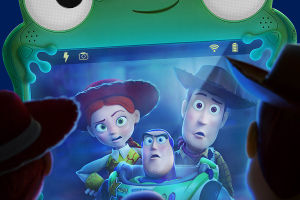
You lean forward in your seat as a character faces an impossible choice.
Your heart races, palms sweat, and you feel relief when the scene resolves. How is it that someone on screen, entirely fictional, can provoke such a visceral reaction? This is the psychology of film in action: the ways cinema taps into cognition, emotion, and social understanding.
Film does more than entertain. It manipulates attention, evokes empathy, and triggers physiological responses, often without viewers consciously realizing it. By examining these mechanisms, we can understand why some stories linger in memory while others fade.
Emotional Engagement
Mirror neurons and empathy
When characters experience joy, fear, or grief, viewers often unconsciously mimic these emotions. Neuroscientific studies suggest mirror neurons—cells that activate both when performing an action and when observing it—play a role.
This neural mirroring fosters deep emotional connection. Filmmakers leverage it through performance, features expression, and body language, ensuring audiences “feel” the story rather than simply witnessing it.
Sound and music influence mood
Audio cues manipulate emotional interpretation. A suspenseful scene paired with rising orchestral tones heightens tension; a gentle piano motif can induce calm. Research in media psychology shows that music can modulate heart rate, arousal, and perceived intensity of events.
Consider Jaws: the simple, repetitive shark theme triggers anxiety even before the creature appears, demonstrating the subconscious power of sound.
Color and visual perception
Cinematographers use color to cue emotion. Warm hues often evoke comfort or passion, while desaturated tones suggest bleakness or tension. Visual framing, contrast, and lighting direct attention and subtly shape audience interpretation, guiding emotional and cognitive responses.
Cognitive Processing and Storytelling
Suspension of disbelief
Audiences accept impossible events—time travel, talking animals, alien invasions—when internal story logic remains consistent. This cognitive engagement relies on narrative coherence, causal sequences, and character motivation.
Films like Inception challenge perception, yet the consistent rules of the dream world maintain audience immersion. Cognitive engagement deepens emotional impact and memory retention.
Attention and editing
Cuts, camera movement, and pacing guide focus. Rapid editing accelerates perceived tension, while long takes create immersion and anticipation. Eye-tracking studies reveal that viewers' gaze aligns with filmmaker intention, illustrating how editing directs cognitive processing.
Symbolism and subconscious cues
Objects, motifs, and recurring patterns communicate meaning beyond dialogue. Subtle cues—like a shadowed doorway or repeated visual motif—can evoke anxiety or foreshadow events. The brain interprets these signals automatically, creating a layered viewing experience that often remains below conscious awareness.
Social and Behavioral Effects
Modeling behavior
Observing characters' actions informs social understanding. Media psychology identifies vicarious learning: audiences internalize strategies, ethical frameworks, and social norms depicted on screen. For instance, witnessing acts of altruism or aggression can influence real-life decisions subtly.
Group dynamics and shared experience
Viewing films in groups enhances emotional resonance. Shared reactions amplify feelings, creating a collective emotional environment. This phenomenon explains why certain films become cultural touchstones, generating discussion and empathy at scale.
Identity and perspective-taking
Films allow temporary inhabitation of different perspectives. By seeing the world through another character's eyes, viewers practice perspective-taking, increasing empathy and reducing bias. Narratives centered on underrepresented experiences, such as Moonlight, offer opportunities for cognitive and emotional growth.
Implications for Filmmakers and Audiences
Intentional emotional design
Understanding psychological mechanisms helps directors craft experiences that resonate. Manipulating pacing, visual cues, and character development can guide both conscious and subconscious responses.
Audience self-awareness
Viewers who recognize how editing, music, and visual framing affect perception gain critical media literacy. They can separate narrative influence from personal judgment, enhancing analytical and emotional skills.
Balance of immersion and reflection
The most powerful films combine immersive engagement with opportunities for reflection. Emotional investment is strongest when viewers are challenged to interpret meaning, consider ethical dilemmas, and connect story to personal experience.
Film is not only a window into fictional worlds; it is a mirror reflecting human cognition, emotion, and social behavior. Each choice—lighting, music, editing—interacts with psychological mechanisms to shape experience. The next time a movie moves you, frightens you, or makes you laugh uncontrollably, consider the invisible interplay of mind and medium at work. Understanding the psychology of film deepens appreciation and reminds us why cinema remains one of humanity's most compelling art forms.