Panthera pardus, commonly known as the leopard, captivates with its combination of grace, strength, and adaptability.
From dense jungles to rocky outcrops, these cats have evolved to thrive in diverse environments while maintaining their elusive reputation. Observing a leopard in the wild is a rare privilege, often requiring patience and a keen understanding of their habits.
1. Habitat and Range
Leopards are remarkable for their ecological versatility. They inhabit forests, savannas, grasslands, and mountainous regions, adapting their behavior to the environment. In Africa, they often favor areas with ample cover for hunting, such as wooded savannas, while in Asia, leopards are found in tropical forests and rocky hillsides. Their ability to thrive in human-adjacent areas, such as near farms or villages, demonstrates their flexible survival strategies.
2. Hunting Techniques
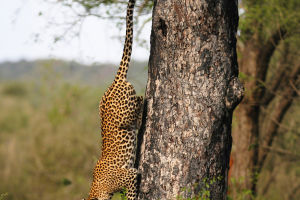
Leopards are solitary hunters, relying on stealth and strength rather than endurance. They typically hunt at night, using their spotted coat as camouflage to approach prey silently. Small to medium-sized mammals are common targets, including antelopes, monkeys, and rodents. A leopard's remarkable agility allows it to leap several meters and drag prey up trees to avoid scavengers such as hyenas and lions. This arboreal behavior is a defining trait that sets them apart from other big cats.
3. Social Behavior and Communication
Unlike lions, leopards are solitary, establishing territories marked with scent sprays and scratch marks on trees. Vocalizations, including growls, roars, and rasping coughs, serve to communicate over long distances, especially during mating season. Cubs remain with their mother for up to two years, learning essential survival skills, including hunting and climbing. Social interaction is limited but intense, highlighting the importance of maternal guidance in leopard development.
4. Reproduction and Cub Rearing
Breeding occurs year-round, with females entering estrus for a few days at a time. Gestation lasts about three and a half months, producing litters of one to four cubs. Mothers select secluded dens to protect young from predators. Cubs are taught to stalk and hunt, gradually building the skills necessary for independent survival. This period is crucial, as the mortality rate among young leopards can be high due to predation and environmental challenges.
5. Threats and Conservation
Leopards face significant threats from habitat loss, poaching, and human-wildlife conflict. Their pelts remain in demand, and they are sometimes hunted to protect livestock. Conservation efforts include anti-poaching measures, protected reserves, and community-based programs that promote coexistence. Maintaining genetic diversity across fragmented populations is essential for their long-term survival.
6. Fascination and Human Connection
Leopards have long captured human imagination, appearing in folklore, art, and symbolism. Their solitary nature, elegance, and adaptability inspire admiration and respect. Wildlife enthusiasts often track these cats to witness their stealth and agility firsthand, deepening appreciation for their role in ecosystems.
Encountering Panthera pardus, even indirectly, is a reminder of nature's balance and complexity. Their stealthy movements and survival ingenuity serve as a testament to adaptability, inspiring both awe and a commitment to conservation. By learning about leopards' behavior and supporting protective measures, we can ensure that future generations will continue to witness the quiet majesty of this extraordinary big cat.