Ever wondered how life survives the harshest places?
Picture a lizard basking on scorching sand or a penguin standing on icy terrain. It's amazing that these creatures not only survive but thrive in conditions that would be deadly to most animals.
Their secret lies in unique physiological traits—adaptations that let them handle extreme temperatures, scarce water, and limited food. Understanding these traits helps us appreciate the resilience and creativity of life in every environment.
1. Temperature regulation
Animals in extreme climates have developed remarkable ways to manage body temperature. Desert mammals, like fennec foxes, have large ears that release heat, keeping their bodies cool. Arctic animals have thick fur and a layer of adipose tissue called blubber to conserve heat.
Some animals can even adjust internally. Certain reptiles can slow their metabolism to survive extreme heat, while some fish and amphibians enter states of torpor or hibernation during cold months. These strategies show that survival often requires fine-tuning the body's core functions rather than just relying on strength or speed.
2. Water conservation
Water is scarce in many harsh environments, so animals have evolved ways to use it efficiently. Camels, for instance, can go days without drinking because they store water in their bloodstream and tolerate dehydration that would be fatal for most animals. Kangaroo rats live in deserts and rarely drink water at all—they extract it entirely from the seeds they eat.
Some birds have specialized kidneys to concentrate waste, reducing water loss. Even smaller animals like insects can survive heat by limiting sweat and retaining moisture inside their bodies. Every trick counts when staying hydrated could mean the difference between life and death.
3. Energy management
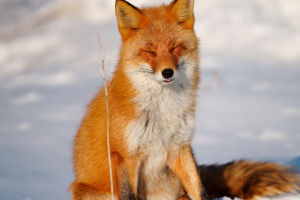
Food can be scarce in extreme conditions, so conserving energy is critical. Many animals store adipose tissue strategically to survive lean periods. Arctic foxes, for example, build up energy reserves in the winter and shrink them in summer. Some animals enter a torpid state or hibernate, slowing their metabolism so they burn fewer calories.
Other creatures, like certain fish in polar regions, produce antifreeze proteins that prevent their blood from freezing. These chemical adaptations are invisible but essential for life to continue under conditions that would normally halt cellular activity.
4. Physical adaptations
Beyond internal adjustments, physical traits play a big role. Thick fur, blubber, scales, and even specialized limbs help animals navigate challenging terrains. Webbed feet allow aquatic birds to swim efficiently in icy waters, while large, padded paws help snow leopards tread silently on snow. Camouflage also helps reduce stress and energy expenditure by keeping predators away.
Even smaller adaptations can matter. Some desert animals have reflective body surfaces that deflect sunlight, and many nocturnal animals have eyes adapted to low light, allowing them to stay active when temperatures are lower.
5. Lessons for observing nature
Watching these adaptations in action teaches us more than biology—it highlights the creativity of survival. Life doesn't always fight harsh conditions directly; it often works with them, using clever adjustments to cope. This is true for internal chemistry, behavior, and physical structure alike.
It's a reminder that resilience comes in many forms, whether you're a tiny insect in the desert or a whale navigating icy oceans. Nature's ingenuity shows that adaptation isn't just about strength—it's about strategy, timing, and efficiency.
Reflecting on resilience
Next time you see a desert lizard basking or a penguin braving a blizzard, pause and appreciate the subtle genius of its body. Every feature, from fur thickness to water retention, has a purpose. Extreme environments may seem inhospitable, but life persists—through clever design, patience, and a remarkable ability to adapt. Observing these traits is a lesson in resilience we can carry into our own lives: sometimes survival is about adjusting, not resisting.