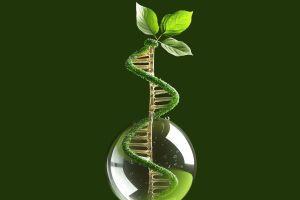
Walk past a wilted tomato plant on a hot afternoon, and you might assume it's helpless. But here's the twist: if that same plant survives, it may “remember” the heatwave.
The next time temperatures spike, it could cope better. This isn't memory in the way humans think of it—it's epigenetics at work.
Plants can adjust how their genes switch on and off, leaving behind marks that help them respond faster the next time stress arrives.
What Epigenetics Really Means
Genes aren't static instructions locked in stone. Epigenetics is the set of switches, tags, and chemical marks that control how genes behave. You can think of the genome as a library, and epigenetics as sticky notes marking which books to read during a crisis.
For plants, this control system is vital. They can't run from drought, poor soil, or insect attacks. Instead, they adjust internally—deciding which genes to activate, which to silence, and how to fine-tune growth so they can survive stress.
Three Ways Plants Use Epigenetics Under Stress
1. Heat and drought defense
When water runs low or temperatures rise, plants activate protective proteins and reduce water loss through their leaves. Epigenetic marks help lock in these responses, so if the stress returns, the plant reacts more quickly.
2. Salt and soil challenges
In coastal areas or degraded lands, high salt levels threaten plant survival. Some species use epigenetic adjustments to regulate ion transport—essentially keeping harmful salts out of sensitive tissues while maintaining growth.
3. Pathogen resistance
When attacked by fungi or bacteria, plants boost their immune-like defenses. Epigenetic “memory” ensures that if the same pathogen strikes again, the response is faster and stronger, almost like a plant's version of training its immune system.
How Scientists Detect These Changes
Epigenetic marks are invisible to the eye, but researchers can track them using DNA sequencing and molecular tools. One common marker is DNA methylation—a chemical tag that silences certain genes. Another involves histone proteins, the “spools” DNA wraps around; tweaking these can make genes more or less accessible.
By comparing stressed plants with unstressed ones, scientists can map how these patterns shift and see which genes are being regulated.
Why Epigenetics Matters Beyond the Lab
This isn't just an academic detail. Epigenetics has practical consequences:
• Farmers may one day use seeds “primed” through controlled stress, so the next generation is tougher against drought or heat.
• Plant breeders are exploring whether epigenetic traits can be passed to offspring, giving crops built-in resilience without changing their DNA sequence.
• Conservationists are looking at how wild plants use epigenetic flexibility to survive climate extremes, hoping to apply those lessons to endangered species.
Everyday Ripples of Plant Memory
The food on your plate might already reflect plant epigenetics in action. Crops grown in stressful environments often show unique traits—like deeper root systems or greater tolerance to poor soils. Even the taste or nutritional profile of vegetables can shift depending on how plants respond epigenetically to stress during growth. That “tough lettuce” or unusually sweet carrot might be the result of hidden molecular adjustments.
The Bigger Picture
Epigenetics reframes how we see plants. They're not passive green decorations waiting for rain. They're active survivors with molecular toolkits that let them sense, adapt, and prepare for the future. While evolution works over millennia, epigenetic changes can happen in a single plant's lifetime, giving it flexibility to survive unpredictable conditions.
A Thought to Carry With You
Next time you water a plant that looks stressed, remember: it may be doing more than just hanging on. Deep inside its cells, switches are flipping, marks are being laid down, and preparations are underway for tomorrow's challenges. Plants don't just endure stress—they learn from it in their own quiet, chemical way. And in that lesson lies a reminder for us too: resilience isn't only about surviving the present; it's about preparing for what comes next.