Have you ever seen a lion in the wild? Its presence commands attention, and the unmistakable roar can send chills down your spine.
The lion has long been known as the "king of the jungle," and for good reason.
With their impressive size, social structure, and power, lions represent one of the most awe-inspiring creatures on the planet. In this article, we'll dive into the world of lions and explore what makes them such an iconic species.
Physical Characteristics: Power in Every Detail
Lions are truly majestic animals, with physical traits that symbolize their strength and dominance in the animal kingdom.
Size and Strength: Lions are among the largest of the big cats. Males can weigh between 330 to 550 pounds, while females are typically smaller, around 260 to 400 pounds. Their muscular builds and large frames give them the power to hunt, defend their territory, and protect their pride.
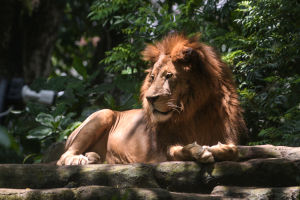
The Mane of a King: The most iconic physical trait of a male lion is its mane. This thick, golden-brown hair that surrounds their head and neck is not just for show. It provides protection during fights with other males and also signals health and vitality to potential mates. A darker, fuller mane is often an indication of a stronger, more dominant lion.
Sharp Features for Survival: Their sharp claws and powerful jaws are essential tools for hunting. A lion's teeth are designed for gripping and tearing through the flesh of their prey, while their sharp claws allow them to hold onto their catch with incredible strength.
These physical features, from their impressive size to their powerful manes, help lions maintain their status at the top of the food chain.
Social Structure: Pride and Loyalty
Unlike many other big cats that are solitary, lions are incredibly social animals, living in groups known as prides. Their social structure is key to their survival and success.
The Pride: A pride typically consists of several females, their offspring, and a few males. The females, who are often related, do the majority of the hunting, while the males protect the pride and its territory. This division of labor allows lions to take advantage of their collective strength and ensures that their young are well-protected.
Role of Males: The males' primary role is to defend the pride's territory from intruders and other lions. When a new male takes over a pride, he may drive out the existing males and even eliminate their cubs to bring the females back into estrus, ensuring that his genes are passed on.
Female Bonds: The females of the pride work together to hunt and care for the cubs. Their close bonds are crucial for the pride's survival, and they often share responsibilities like grooming and helping each other during the hunt.
This social structure gives lions an edge over solitary hunters, as their combined efforts allow them to hunt larger prey and protect their territory more effectively.
Diet and Hunting Techniques: Teamwork in Action
Lions are carnivores and rely on teamwork to bring down large prey. Their hunting strategy is a perfect example of how they use their social structure to their advantage.
Hunting in Groups: Lions primarily hunt in groups, which increases their chances of success. Female lions do most of the hunting, working together to stalk, chase, and bring down prey. They often use the element of surprise, creeping up on their prey from a distance before charging in take down the prey.
Prey Selection: Lions typically hunt large herbivores, such as zebras, buffalo, and wildebeest. These animals are often slower and easier to target when lions work together. However, lions will also target smaller animals if the opportunity arises.
Cooperative Efforts: The hunting process is highly coordinated. Female lions may flank the prey, while others move in from the front to make the capture. Once the prey is down, the pride eats together, with the dominant males often eating first, followed by females and cubs.
This cooperative hunting strategy ensures that lions can take down prey much larger than any individual could manage alone.
Conservation Status: Threats and Protection
While lions are still considered a species of “Least Concern,” their populations are declining due to various threats, primarily caused by humans.
Habitat Loss: As human populations grow and encroach on lion habitats, there is less room for these big cats to roam. Deforestation, agricultural expansion, and urban development are major contributors to the loss of lion habitats.
Human-Wildlife Conflict: Lions are often seen as a threat to livestock, leading to conflicts with local farmers and ranchers. In retaliation, lions may be killed, and their numbers decrease as a result.
Conservation Efforts: Several organizations are working to protect lions by establishing wildlife reserves, reducing poaching, and promoting human-wildlife coexistence. Programs that focus on educating local communities and providing compensation for livestock losses help ensure that lions and humans can live side by side.
Conservation efforts are crucial for preserving lion populations, and supporting these efforts is key to ensuring that lions continue to roam the wild for generations to come.
Lions, with their social structure, hunting prowess, and majestic appearance, are a symbol of power and unity in the animal kingdom. Their ability to work together as a pride and adapt to their environment has made them one of the most successful species in the wild. By supporting conservation efforts and protecting their habitats, we can help secure a future for the king of the jungle.