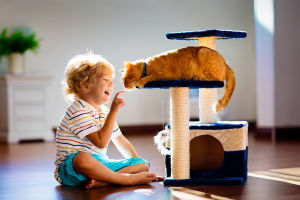
Ever had a tough day and just needed something to make you feel better? Maybe you found yourself petting your dog or cuddling with your cat without even thinking about it.
If so, you've experienced firsthand how pets can ease feelings of stress and anxiety. But why do pets have this magical ability to help us feel better?
Turns out, science backs up what many pet owners already know: having a furry friend by your side can do wonders for your mental well-being. Let's explore how pets help reduce stress and anxiety, and how they can be a source of calm in our often chaotic lives.
The Science Behind Pet Therapy
It might seem like a pet's snuggles or playtime are just for fun, but there's actual science showing how pets can alleviate stress.
• Oxytocin boost: Petting a dog or cat increases the release of oxytocin, the “feel-good” hormone. Oxytocin promotes feelings of love and relaxation, helping reduce the body's stress response. It's the same hormone that's released when mothers bond with their newborns.
• Cortisol levels: Studies show that being around pets can lower cortisol levels, the hormone associated with stress. Lower cortisol means less stress, which is why spending time with pets can leave you feeling calmer.
• Endorphin production: Playing with your pet also releases endorphins, the body's natural painkillers and mood boosters. Endorphins can help ease anxiety and elevate your mood.
The Comfort of Companionship
One of the most immediate ways pets help with stress is through their companionship. Pets provide unconditional love and are often there when you need them most.
• Emotional support: Pets are non-judgmental, always ready to listen without offering unsolicited advice. Whether you're feeling down, stressed, or anxious, your pet can provide comfort simply by being there.
• Physical affection: A hug from your dog or a purring cat curled up next to you can instantly calm nerves. This type of physical affection releases oxytocin, which is linked to feelings of safety and security.
• A sense of purpose: Taking care of a pet gives you a sense of responsibility and routine. For people struggling with anxiety, knowing that you need to care for your pet each day can provide structure and a sense of control.
Pets Encourage Relaxation and Mindfulness
Pets have a way of bringing you back to the present moment. In a world full of distractions and worries about the future, pets can help us focus on the now.
• Mindful attention: When you're spending time with your pet, whether it's going for a walk, playing fetch, or simply sitting together, you're focusing on the present moment. This mindfulness can help clear your mind of stressors.
• Relaxation rituals: Many pet owners find themselves engaging in relaxing activities like brushing their cat or gently petting their dog. These simple, repetitive actions can become calming rituals that promote relaxation.
• Breaking the anxiety cycle: Anxiety often thrives when we're caught in our heads, ruminating over past events or worrying about the future. Pets provide a welcome distraction and help break this cycle of overthinking, allowing us to unwind.
Pets as a Social Bridge
For those who experience social anxiety, pets can also serve as a bridge to human interaction, which is another way they help ease stress.
• Social icebreakers: Taking your dog for a walk can lead to conversations with fellow dog owners or neighbors. These interactions, although brief, help combat loneliness and increase social connections.
• Reducing isolation: Pets provide constant companionship, which is particularly helpful for people living alone. The presence of a pet can make you feel less isolated, which directly impacts stress levels.
• Improved mood in social settings: Having a pet around in social situations can make people feel more comfortable and at ease. Pets often help create a relaxed, light-hearted atmosphere, making socializing less stressful.
Pets Help You Stay Active and Engaged
Physical activity is an excellent way to reduce stress, and pets often help us stay more active.
• Daily walks and exercise: Dogs, in particular, need regular walks, and this can encourage their owners to get out and move. Physical activity reduces anxiety and improves mood, making it a win-win for both pet and owner.
• Playtime: Playing with your pet can be a fun way to relieve tension. Throwing a ball, tug-of-war, or chasing a laser pointer with your cat all get you moving and can bring joy and laughter into your day.
• Routine and structure: Having a pet often brings a routine to your life. Whether it's feeding time, walk time, or bedtime, the schedule can provide a sense of normalcy and reduce stress by keeping your day structured.
The Calming Presence of Animals
For some, simply having a pet around is enough to reduce anxiety. Their presence, even without direct interaction, can bring a sense of calm.
• Calming effect: Studies have shown that the mere presence of a pet can help reduce blood pressure and heart rate. Just having a pet in the same room can have a therapeutic effect on your body, helping you feel more relaxed.
• Reduced feelings of anxiety: For people with anxiety disorders, the constant presence of a pet can help provide a grounding effect, reducing the feeling of overwhelming worry. Pets create a calm atmosphere where anxiety levels are lower.
• Non-verbal communication: Pets communicate through body language, not words. This non-verbal connection can be comforting for those who are feeling overwhelmed, as it removes the pressure of having to talk about their feelings or emotions.
Final Thoughts
Having a pet isn't just about having a cute companion; it's about having a friend who can provide comfort, companionship, and even physical benefits that help reduce stress and anxiety. Whether it's the calming effect of petting a dog or the joy of playing with a cat, pets bring a sense of peace that's hard to find elsewhere. If you're looking for a natural, soothing way to ease stress, consider spending more time with your furry friend.
The benefits, both emotional and physical, are undeniable—and they might just be the remedy you've been looking for.