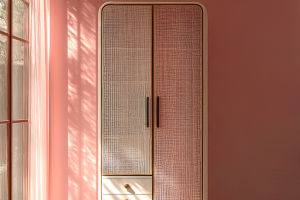
Ever found yourself working from a cluttered desk with poor lighting and uncomfortable seating, wondering why your productivity feels stuck?
Creating a home office you genuinely enjoy doesn't have to be complicated or expensive.
With a few thoughtful changes, you can transform a corner of your home into a space that inspires focus, creativity, and comfort.
Choose the Right Spot
Location is everything when it comes to a home office. Pick a spot that's quiet, well-lit, and free from constant distractions. If possible, position your desk near a window for natural light. Sunlight not only improves mood but also reduces eye strain. Even if space is limited, a corner in a living room or bedroom can be converted into a dedicated work area with careful planning.
Invest in Comfort
A comfortable chair and desk setup is crucial. Ergonomic chairs that support your back and encourage good posture make long workdays less taxing. Your desk should allow your arms to rest at a 90-degree angle when typing, and your monitor should be at eye level to avoid neck strain. Small adjustments like a footrest or keyboard tray can make a significant difference in your daily comfort.
Declutter and Organize
Clutter kills focus. Keep only essential items on your desk and store the rest in drawers, shelves, or boxes. Use organizers to separate stationery, documents, and tech accessories. Labeling boxes or folders makes it easy to find what you need without interrupting your workflow. A clean workspace isn't just visually appealing—it's a mental reset that promotes efficiency.
Personalize Your Space
Your home office should reflect your personality. Add a few decorative items like framed photos, artwork, or plants to make the space inviting. Plants, in particular, boost mood and improve air quality. Even small personal touches can make the difference between a space that feels cold and one that feels energizing and welcoming.
Lighting Matters
Proper lighting reduces eye strain and enhances focus. Combine natural light with task lighting for flexibility. Desk lamps with adjustable brightness help you control the intensity depending on the time of day. Avoid overhead lights that cast harsh shadows on your work area. Layered lighting—ambient, task, and accent—creates a pleasant and productive environment.
Establish Zones
If your office is part of a larger room, creating defined zones can help you mentally separate work from relaxation. Use rugs, room dividers, or shelves to delineate your office area. This physical separation reinforces a psychological boundary between work and home life, making it easier to “switch off” at the end of the day.
Incorporate Technology Wisely
Tech can boost productivity, but too much can be overwhelming. Keep cables organized using clips or boxes to prevent tangling. Choose devices that suit your workflow—whether it's a laptop, monitor, or tablet. Consider investing in a quality headset or webcam if you frequently join video calls. A clean, organized tech setup helps maintain focus and reduces daily frustrations.
Storage Solutions
Even in a small office, clever storage can maximize efficiency. Floating shelves, stackable boxes, and multi-purpose furniture help keep your essentials accessible while maintaining a tidy environment. Clear containers allow you to see what's inside, while labeled boxes ensure you can quickly locate items. When storage is efficient, your desk stays clutter-free and inviting.
Encourage Movement
Sitting all day can be draining. Incorporate movement into your workday with standing desks, balance boards, or simple stretches at your desk. Even a short walk around your home during breaks refreshes your mind and body. A dynamic workspace supports both physical and mental health, enhancing your overall productivity.
Establish a Routine
Finally, set boundaries and routines to make your home office effective. Start and end work at consistent times, take regular breaks, and maintain a tidy workspace at the end of each day. These habits help create a sense of structure, making it easier to stay focused and avoid burnout.
Designing a home office you love doesn't require a complete renovation or expensive purchases. By choosing the right location, investing in comfort, staying organized, and adding personal touches, you create a space that inspires both focus and creativity. With intentional planning, your home office can become a productive haven where work feels less like a chore and more like an experience you enjoy.