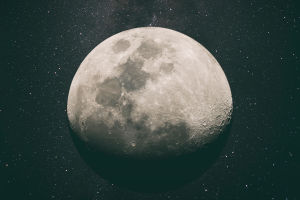
Imagine looking up at the dark sky on a clear night and seeing bright streaks of light dart across the heavens. Shooting stars can appear suddenly, leaving trails that vanish almost as quickly as they appear.
But here’s something interesting—more meteors tend to appear in the later hours of the night than in the early evening. Why does this happen? Let’s break it down together and uncover what makes the night sky so mesmerizing.
How Meteors Are Born
Meteors are not magic—they’re pieces of space rocks called meteoroids that collide with Earth’s atmosphere. These meteoroids are usually smaller than 10 meters and mostly come from comets or asteroids. When they hit our atmosphere at speeds of tens or even hundreds of kilometers per hour, friction and compression heat them up, causing them to glow and form the bright streaks we see as meteors.
Every flash is essentially a tiny cosmic spark burning up in the sky. Some meteors can be so bright that they leave trails visible for several seconds, and these are often called fireballs.
Why Late Night Shows More Meteors
The reason late-night hours offer a better meteor show is tied to Earth’s orbit around the Sun. Earth moves forward at roughly 30 kilometers per second. In the late hours, we are facing the direction Earth is moving, which means we encounter more meteoroids that Earth “catches up with” or meets head-on.
Early in the evening, we are facing away from Earth’s motion, so we mostly see meteoroids that are already faster than Earth. Close to dawn, meteor activity peaks because we’re essentially plowing straight into the stream of space debris.
A Simple Way to Imagine It
Think of it like driving on a highway. If you’re moving forward, you notice cars ahead more often because you’re catching up to them or meeting oncoming traffic. Cars behind you barely catch your attention. Similarly, late-night observers are like drivers on a highway, seeing more meteors as Earth moves forward. Early-evening observers, on the other hand, are like someone parked on the roadside—they miss most of the action. This simple comparison makes it easier to understand why patience and timing matter when stargazing.
Why We Can’t See Meteors During the Day
Even though meteors continue falling during daylight hours, sunlight makes them invisible to our eyes. From dawn until noon, the sky is far too bright for ordinary telescopes or our eyes to notice meteors. Only in rare situations, like during a solar eclipse or when an exceptionally bright meteor—a fireball—appears, might we catch one in daytime. That’s why meteor showers are mainly a night-time wonder, and the darker the sky, the better our chances of seeing them.
Tips for Enjoying Meteor Showers
If we want the best meteor-watching experience, heading out in the late night is key. Find a dark spot away from city lights and the moon, lie back, and watch the sky. Wearing warm clothes and bringing a blanket can make the experience more comfortable, since stargazing often requires sitting still for long periods.
Some special meteor showers, like the Leonids in November or the Perseids in August, can also provide early-evening viewing, but generally, the later the night, the better the show. Remember, patience is crucial—sometimes it takes a few minutes of watching before a streak finally flashes across the sky.
Why Watching Meteors Matters
Observing meteors is more than just a beautiful show. Each streak could carry clues about the solar system’s birth and evolution. Some meteoroids might even hold hints about the origin or spread of life. By studying them, we gain insight into the universe we live in and the vast, intricate cosmic story that surrounds us. Meteors connect us to space in a tangible way—we are literally seeing pieces of the cosmos enter our atmosphere and vanish, leaving only light behind.
Look Up
Lykkers, the next time you lie under a dark sky and spot a shooting star, remember—you’re seeing more than a bright streak. You’re glimpsing a piece of space, a fragment of cosmic history moving at incredible speed. So grab a blanket, find a quiet spot, and let the meteor shower remind us how connected we are to the universe.
Every flash of light is a tiny message from the cosmos, waiting for us to notice. By understanding these celestial events, we appreciate not only the beauty of the night sky but also the vast, mysterious universe we call home.
Shooting Stars EXPLAINED: The Cosmic Fireworks You Can’t Miss | Meteors | Meteor shower | Space
Video by When He Explains