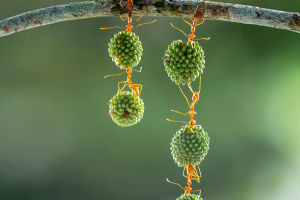
Have you ever watched a caterpillar inch along a leaf and wondered how it could possibly become a butterfly? The process of metamorphosis in insects is one of nature's most fascinating transformations.
From crawling larvae to fully developed insects, they undergo changes that are both dramatic and essential for survival.
Observing this lifecycle gives insight into how these tiny creatures adapt, grow, and play vital roles in ecosystems.
The Egg Stage: A Tiny Beginning
Every insect starts life as an egg, often laid carefully on leaves, stems, or soil depending on the species. These eggs may look insignificant, but they contain all the information needed to start life. Environmental conditions like temperature and humidity can affect the egg's development, ensuring that the hatching coincides with optimal survival conditions. This stage may last a few days to several weeks depending on the species.
The Larva Stage: The Feeding Machine
Once the egg hatches, a larva emerges. Larvae are primarily designed for growth, consuming as much food as possible. Caterpillars, maggots, and grubs are all larval forms, and though they look very different from their later form, they carry the potential for incredible transformation.
During this stage, the insect grows rapidly, sometimes increasing its body size many times over. The larval stage is focused entirely on storing energy and building the foundation for metamorphosis.
Pupation: The Hidden Transformation
After the larva reaches its full size, it enters the pupal stage. For butterflies, this is the chrysalis; for beetles, it is a hardened pupa within the soil or plant tissue. Inside this protective casing, the larva undergoes astonishing changes. Its tissues are reorganized, wings develop, legs and antennae form, and the body reshapes into the fully developed structure.
This stage can last from several days to months, depending on the species and environmental conditions. While it seems quiet from the outside, inside, the insect is undergoing one of nature's most remarkable transformations.
The Emergence: From Pupa to Flying or Reproducing Form
When the transformation is complete, the insect emerges from its pupal casing. This stage marks the beginning of reproduction and dispersal. Newly emerged insects may have wings, enabling them to move long distances in search of food, mates, or new habitats.
Their feeding habits also change—while larvae may focus on leaves or organic matter, these developed insects often consume nectar, pollen, or other resources that support reproduction. This shift in diet and behavior allows them to occupy a different ecological niche than their larval forms.
The Importance of Metamorphosis
Metamorphosis isn't just a biological curiosity; it provides insects with several advantages:
1. Resource efficiency – Larvae and developed forms occupy different habitats and diets, reducing competition between generations.
2. Survival strategy – Pupation provides protection during vulnerable stages, helping the insect survive until it can reproduce.
3. Adaptation and dispersal – Newly emerged insects are mobile and can spread to new areas, ensuring the species thrives in changing environments.
These advantages explain why insects are among the most diverse and adaptable animals on Earth.
Examples From Nature
Consider the monarch butterfly. Its journey from egg to caterpillar, to chrysalis, and finally to a vibrant butterfly is a textbook example of complete metamorphosis. Beetles, dragonflies, and moths undergo similar transformations, each adapted to their unique lifestyle. Even aquatic insects like dragonfly nymphs live underwater before emerging as winged forms, demonstrating the wide range of environments insects can exploit through metamorphosis.
Lessons for Us
The metamorphic process teaches a lesson about change and growth. Just as insects rely on distinct stages to develop fully, humans often go through phases of learning, adapting, and maturing. Observing metamorphosis can inspire patience and appreciation for gradual transformation in all aspects of life.
Nature's Mastery of Change
From the tiny egg to the fully developed insect, every stage represents growth, adaptation, and transformation. This process ensures survival, promotes biodiversity, and maintains ecological balance. Watching a caterpillar become a butterfly or a grub turn into a beetle reminds us that even small creatures experience incredible changes, shaping the world in ways we often overlook. Metamorphosis is not just survival—it's nature's way of mastering transformation.