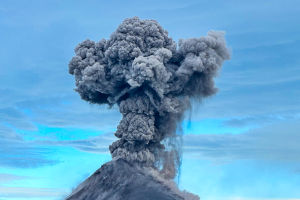
Imagine waking up to a smoky sky, the smell of burning wood filling the air, and realizing that the forest you once hiked through is now being consumed by flames.
Forest fires are becoming increasingly frequent and intense around the world. In recent years, the frequency of large-scale wildfires has skyrocketed, with entire ecosystems burning down in a matter of days.
But what exactly causes these devastating fires, and why is their impact so harmful to the environment?
The Main Causes of Forest Fires
There are several reasons why forests catch fire, and the causes can generally be broken down into human-related and natural factors. Both can have catastrophic effects on the environment.
1. Human Activities: Human actions are one of the biggest contributors to forest fires. Unattended campfires, discarded cigars butts, and fireworks can all spark fires that quickly get out of control. Agriculture also plays a role; farmers sometimes use fire to clear land for crops, a practice known as slash-and-burn farming. However, if not controlled properly, these fires can spread far beyond the intended area.
2. Climate Change: Rising global temperatures and changing weather patterns caused by climate change are contributing to more extreme fire conditions. Drier forests with more combustible vegetation, combined with stronger winds, create the perfect storm for a fire to start and spread quickly. A hotter, drier environment means that forests are more likely to catch fire and harder to extinguish once they do.
3. Lightning Strikes: Naturally occurring fires, often sparked by lightning, are also common. During thunderstorms, lightning can strike trees, causing fires that, depending on weather conditions, can quickly spread to nearby vegetation. While lightning fires can be less predictable, they still have the potential to burn large areas.
Impact on the Environment
The environmental effects of forest fires extend far beyond the immediate loss of trees and wildlife. These fires leave lasting damage that can take years, or even decades, to recover from.
1. Loss of Biodiversity: When forests burn, countless plant and animal species lose their homes. Some animals may be able to escape, but others, especially smaller creatures, are often trapped. Forest fires disrupt delicate ecosystems, sometimes forever. For example, certain plant species that rely on specific conditions to thrive may never return, and invasive species could fill the void, further altering the landscape.
2. Air and Water Pollution: The emissions from forest fires releases carbon dioxide and other pollutants into the atmosphere, contributing to climate change and poor air quality. In some cases, this fumes can travel thousands of miles, affecting air quality in regions far from the fire's origin. On the ground, the ash from fires can contaminate water supplies, harming aquatic life and making the water unsafe for human use.
3. Soil Degradation: When fires burn through forests, they remove the vegetation that normally helps to hold the soil in place. Without plant life to anchor the earth, soil becomes more susceptible to erosion. This can lead to landslides and the loss of fertile soil, making it harder for new plants to grow. The result is often a barren landscape where ecosystems struggle to regenerate.
Preventing Forest Fires
While forest fires are natural occurrences, the increase in their frequency and intensity can be largely attributed to human actions. So, what can be done to prevent these fires from spiraling out of control?
1. Better Forest Management: Many forests have become overgrown and densely packed with vegetation, creating ideal conditions for wildfires. Controlled burns and thinning out overgrown areas can reduce the risk of larger, uncontrollable fires. Forest rangers and fire management teams can also set up fire breaks, which are areas where vegetation is deliberately removed to stop fires from spreading.
2. Public Awareness and Education: People need to understand the dangers of fire and how to use fire responsibly. Campaigns can educate the public on the importance of putting out campfires completely, properly disposing of cigars butts, and following local fire regulations. When people know the impact of their actions, they're more likely to act responsibly.
3. Embracing Technology: Technology can play a key role in preventing and managing wildfires. Drones, for example, can be used to monitor forests for early signs of fire. Satellite imagery can also help spot fires before they become too large, giving emergency responders a head start in containing the blaze. Even artificial intelligence (AI) is being used to predict fire behavior based on weather patterns, forest conditions, and historical data.
The Road to Recovery
Once a forest has been devastated by fire, the road to recovery is long and difficult. However, it is not impossible. Many forests have shown resilience and can regenerate naturally, given enough time and proper conditions.
1. Reforestation Efforts: After a fire, one of the first steps in recovery is replanting native trees. This helps to restore the ecosystem and gives wildlife a new home. Organizations and governments around the world are dedicating resources to reforesting areas that have been destroyed by wildfires.
2. Habitat Restoration: Apart from planting trees, efforts must also be made to restore the broader ecosystem. This includes managing water quality, reintroducing animal species that may have been displaced, and ensuring that soil erosion is minimized. Over time, this can help the forest bounce back.
Looking Ahead: A Changing Landscape
The frequency of forest fires is only likely to increase due to climate change, making it even more crucial to adopt strategies for both prevention and recovery. While forest fires are a natural part of many ecosystems, our growing understanding of their causes and consequences can help us better manage and mitigate their impacts.
By taking proactive steps and investing in technology, we can protect our forests, conserve biodiversity, and ensure that the environment remains as resilient as possible in the face of these destructive forces. The more we learn, the more effectively we can manage the delicate balance between nature's cycles and human influence.